Hinduism History and Culture: Hinduism is not merely a religion; it is a universe. It is a sprawling, ancient, and ever-evolving tapestry woven with threads of profound philosophy, vibrant mythology, intricate rituals, and a deep, abiding connection to life itself.
It is a tradition that embraces paradox—simultaneously monotheistic and polytheistic, ascetic and sensual, firmly rooted in the past yet dynamically alive in the present.
To understand Hinduism is to embark on a journey across millennia and continents, into the hearts of billions and the depths of the human soul. This blog post is your guide on that journey. We will explore the dawn of Hindu civilization, decipher its core spiritual concepts, meet its dazzling array of gods and goddesses, delve into its foundational scriptures, and finally, traverse the rich landscape of its regional traditions that make it one of the most diverse spiritual paths in the world.
Part 1: The River of Time – The History of Hinduism
Unlike many world religions, Hinduism has no single founder, no specific moment of inception. Its history is more like a great, meandering river, fed by countless tributaries over thousands of years, constantly reshaping its banks while maintaining a continuous flow.
The Indus Valley Civilization (c. 3300–1300 BCE)
The earliest seeds of Hindu culture are found in the sophisticated urban centers of the Indus Valley (in modern-day Pakistan and Northwest India). Archaeological finds from sites like Harappa and Mohenjo-Daro reveal a culture with a reverence for nature, ritual bathing, and possibly a proto-form of meditation. Seals depicting a figure in a yogic posture, surrounded by animals, have been interpreted as an early representation of Lord Shiva as Pashupati (Lord of Animals). The worship of mother goddesses and phallic symbols (lingas) also suggests continuities with later Hindu practices.
The Vedic Period (c. 1500–500 BCE)
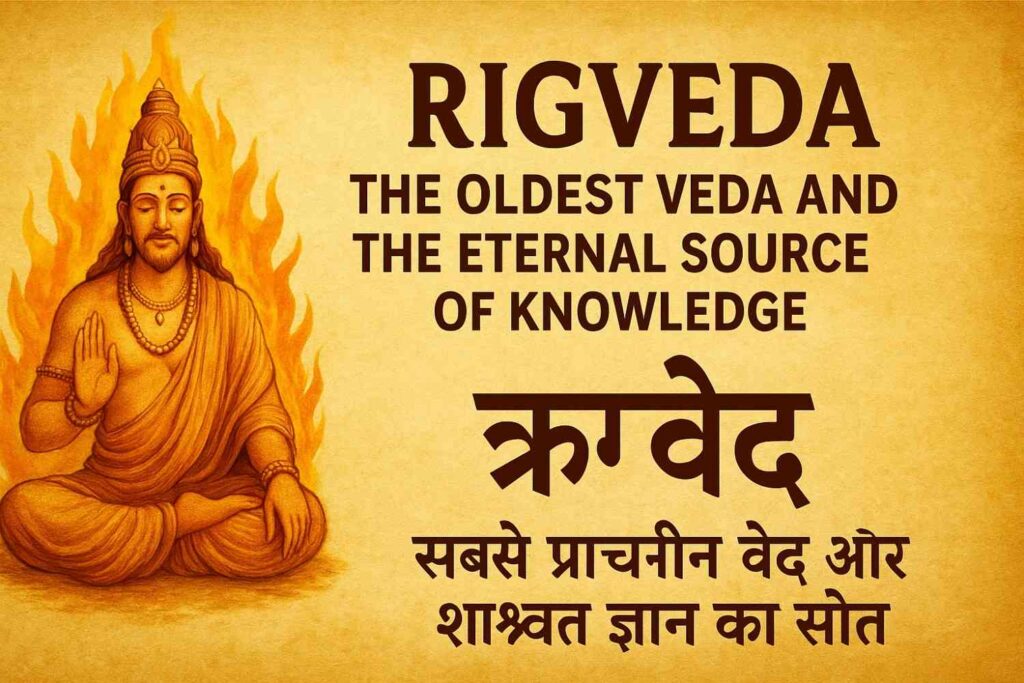
This era is named after the Vedas, the oldest and most authoritative Hindu scriptures. Composed in Sanskrit, the Vedas are a collection of hymns, rituals, and philosophical speculations brought by the Indo-Aryan migrations. The religion of this period was primarily ritualistic, centered around fire sacrifices (yajnas) to personified natural forces like Agni (Fire), Indra (King of Gods and God of Rain and Thunder), and Varuna (Cosmic Order).
The later part of this period saw the composition of the Upanishads, which marked a dramatic shift from external ritual to internal, philosophical inquiry. This is where the core concepts of Brahman (the ultimate, formless reality), Atman (the individual soul), and the unity of Atman and Brahman were crystallized. The doctrines of Samsara (the cycle of rebirth), Karma (the law of cause and effect), and Moksha (liberation from this cycle) became the bedrock of Hindu spirituality.
The Epic and Puranic Period (c. 500 BCE – 500 CE)
This was a transformative age that saw the rise of the great epics—the Ramayana and the Mahabharata (which contains the Bhagavad Gita). These narratives moved the divine from abstract principles to relatable characters and their human dilemmas. The concept of Dharma (righteous duty) became central.
This period also witnessed the ascendancy of the two great devotional sects: Vaishnavism (worship of Vishnu) and Shaivism (worship of Shiva). The Puranas, encyclopedic texts of mythology and lore, were composed, popularizing the worship of a divine trinity and their consorts, and establishing the vast pantheon of gods, goddesses, and local deities that define popular Hinduism today.
Medieval and Bhakti Period (c. 500 – 1800 CE)
The medieval period saw the flourishing of temple architecture, with magnificent structures like Khajuraho, Konark, and the great South Indian temples being built. This was also the era of the Bhakti (devotion) Movement, a powerful wave of spiritual fervor that swept across the subcontinent. Bhakti saints like Mirabai, Tulsidas, Kabir, and Alvars and Nayanars of the south composed passionate poetry and songs in local languages, making spiritual experience accessible to all, irrespective of caste or gender. They emphasized pure, loving devotion to a personal god as the path to liberation.
Modern Period (1800 CE – Present)
The colonial encounter and the advent of reformers like Raja Ram Mohan Roy, Swami Vivekananda, and Sri Ramakrishna led to a Hindu renaissance. They sought to reconcile ancient wisdom with modern values, emphasizing Hinduism’s philosophical depth and its inherently tolerant nature. In the 20th century, figures like Mahatma Gandhi used Hindu principles like ahimsa (non-violence) as powerful tools for social and political change. Today, Hinduism is a global religion, with its yoga, meditation, and spiritual teachings influencing millions worldwide.
Part 2: The Pillars of Sanatana Dharma – Core Concepts and Culture
“Sanatana Dharma,” the eternal law, is the native name for Hinduism. It points to a universal and perennial philosophy. Its culture is the lived expression of this philosophy.
The Four Purusharthas: The Aims of Human Life
Hinduism provides a holistic framework for a fulfilling life through four legitimate goals:
- Dharma: Righteous living, ethical and moral duties. It is the foundational principle that upholds society and the cosmos.
- Artha: The pursuit of material prosperity, wealth, and success. It is considered a necessary part of life, provided it is acquired ethically.
- Kama: The pursuit of pleasure, love, and aesthetic enjoyment—be it art, music, or sensual love.
- Moksha: Liberation from the cycle of birth and death. It is the ultimate goal, the realization of one’s true nature as one with the divine.
The Concepts of Samsara, Karma, and Moksha
- Samsara: The continuous cycle of birth, death, and rebirth. It is viewed as a realm of suffering and impermanence.
- Karma: The universal law of moral cause and effect. Every action (physical, verbal, or mental) has a consequence, which determines the conditions of one’s future lives.
- Moksha: The liberation from Samsara. It is the state of eternal bliss and the end of all suffering, achieved through self-realization and the dissolution of the ego.
The Social Fabric: Varna and Jati
The Varna system, often conflated with the caste system, was originally a theoretical model of social organization based on aptitude and duty, divided into Brahmins (priests, teachers), Kshatriyas (warriors, rulers), Vaishyas (merchants, farmers), and Shudras (laborers). Over time, this evolved into the complex and often oppressive Jati (birth-based caste) system, which has been a central and controversial aspect of Hindu social life for centuries. Modern reforms and laws have sought to eradicate its discriminatory practices.
The Cultural Symphony: Festivals, Yoga, and Ayurveda
Hindu culture is a vibrant celebration of life and the divine.
- Festivals: Diwali (Festival of Lights), Holi (Festival of Colors), Navratri (Nine Nights of the Goddess), Dussehra, and Ganesh Chaturthi are not just religious observances but colossal social and cultural events that bind communities together.
- Yoga: More than just physical postures (asanas), Yoga is a profound spiritual discipline outlined in Patanjali’s Yoga Sutras, aimed at stilling the mind and achieving union with the divine.
- Ayurveda: The “science of life,” it is one of the world’s oldest holistic healing systems, focusing on balance between body, mind, and spirit through diet, herbal treatment, and yogic breathing.
Part 3: The Divine Panorama – Gods and Goddesses of Hinduism
The Hindu pantheon can seem bewilderingly vast. However, it is best understood through the lens of philosophical underpinnings. The myriad deities are ultimately manifestations of the one, formless, supreme reality, Brahman. They are facets of the infinite, allowing devotees to connect with the divine in a personal, relatable form.
The Trimurti: The Hindu Trinity
This trinity represents the cyclical nature of the cosmos: creation, preservation, and destruction.
- Brahma – The Creator: He is the source of all creation. Interestingly, he is the least worshipped god in contemporary Hinduism, with very few temples dedicated to him. He is often depicted with four heads (representing the four Vedas) and is seated on a lotus.
- Vishnu – The Preserver: The embodiment of mercy and goodness, Vishnu descends to Earth in various forms (avatars) to restore cosmic order whenever it is threatened by evil. He is often depicted resting on the serpent Shesha, with his consort Lakshmi, the goddess of wealth and prosperity, at his feet.
- Major Avatars: The two most beloved avatars are Rama (the perfect king and hero of the Ramayana) and Krishna (the divine statesman and teacher of the Bhagavad Gita). Other avatars include Matsya (the fish), Kurma (the tortoise), and Buddha, whom some traditions recognize as an avatar of Vishnu.
- Shiva – The Destroyer and Regenerator: Shiva is the paradoxical ascetic god—both the destroyer of ignorance and evil and the regenerative force of the universe. He is the Lord of Yoga, depicted meditating in the Himalayas, with a third eye of wisdom, a serpent around his neck, and the river Ganga flowing from his matted hair. His consort is Parvati, and together they represent the union of consciousness and energy. His dance, the Nataraja, symbolizes the cosmic cycles of creation and destruction.
The Great Goddess: The Divine Feminine
The Goddess (Devi) is worshipped as the supreme power in her own right (Shaktism). She is the active energy (Shakti) without which the male principle (consciousness) is inert.
- Durga: The warrior goddess, created from the combined energies of all the gods to slay the buffalo demon Mahishasura. She represents the power of good to conquer evil.
- Kali: The fierce and transformative aspect of the Goddess. She is dark, garlanded with skulls, and stands on Shiva, representing the destruction of the ego and the transcendence of time.
- Lakshmi: The goddess of wealth, fortune, and prosperity, both material and spiritual.
- Saraswati: The goddess of knowledge, music, arts, and wisdom. She is depicted with a veena (a stringed instrument) and a book, often seated on a white swan.
Other Prominent Deities
- Ganesha: The elephant-headed god of wisdom, success, and new beginnings. He is the remover of obstacles and is worshipped at the start of any venture.
- Hanuman: The monkey god, a symbol of immense strength, devotion (bhakti), and selfless service to Lord Rama.
Part 4: The Ocean of Wisdom – Hindu Scriptures
Hindu scriptures are a vast and layered body of work, traditionally categorized into Shruti (that which is heard, i.e., revealed) and Smriti (that which is remembered, i.e., tradition).
Shruti: The Revealed Texts
- The Vedas (Rig, Sama, Yajur, Atharva): The foundational texts, considered eternal and apaurusheya (not of human origin). They consist of:
- Samhitas: Hymns and mantras.
- Brahmanas: Ritualistic instructions.
- Aranyakas: “Forest treatises” for hermits.
- Upanishads: Philosophical texts that form the basis of Vedanta philosophy.
Smriti: The Traditional Texts
- The Epics:
- Ramayana: The story of Prince Rama’s quest to rescue his wife Sita, embodying the ideals of dharma.
- Mahabharata: The world’s longest epic poem, a narrative of a great war between two sets of cousins. It is a treasure trove of philosophy and statecraft.
- The Bhagavad Gita: A 700-verse dialogue between Prince Arjuna and Lord Krishna, embedded within the Mahabharata. It is the most popular Hindu text, summarizing the essence of Hindu philosophy and outlining the paths of devotion (bhakti), selfless action (karma), and knowledge (jnana).
- The Puranas: These texts contain cosmology, mythology, and legends of gods and goddesses. Major Puranas include the Vishnu Purana, Shiva Purana, and Bhagavata Purana (focusing on Krishna’s life).
- Dharmashastras: Texts on law and social duties, the most famous being the Manusmriti (Laws of Manu).
Part 5: One Faith, Many Paths – The Regional Traditions of Hinduism
The unity of Hinduism lies in its breathtaking diversity. As it spread across the Indian subcontinent and beyond, it absorbed and integrated local customs, deities, and forms of worship, creating a mosaic of regional traditions.
North India
- Pilgrimage Centers: The holy cities of Varanasi (Kashi), Haridwar, and Vrindavan are major centers of spiritual energy.
- Traditions: The Braj region is central to the worship of Krishna and Radha. The Pandharpur Wari pilgrimage in Maharashtra showcases a unique form of devotional singing and procession.
- Festivals: Holi is celebrated with particular fervor in the Braj region, reenacting the playful antics of Krishna.
South India
- Temple Culture: South India is renowned for its colossal, intricately carved temple complexes with towering gopurams (gateway towers), such as the Meenakshi Amman Temple in Madurai and the Tirupati Balaji Temple.
- Bhakti Movement: The Tamil Alvars (Vaishnava saints) and Nayanars (Shaiva saints) composed the Divya Prabandham and Tevaram, respectively, which are considered the Tamil Veda.
- Festivals: Onam in Kerala and Pongal in Tamil Nadu are major harvest festivals with deep cultural and religious significance.
East India
- Goddess-Centric Worship: This region is the heart of Shaktism. Kolkata’s Durga Puja is a world-famous spectacle of artistic pandals (temporary structures) and grand celebrations.
- Vaishnavism: Odisha is home to the iconic Jagannath Temple in Puri, and the state of Manipur has a deep-rooted Krishna devotional tradition.
- Sattriya: Assam is the home of Sattriya, one of the eight classical dances of India, born in the Vaishnavite monasteries (sattras).
West India
- Temple Architecture: The Somnath Temple in Gujarat and the Shirdi Sai Baba Temple in Maharashtra are major pilgrimage sites.
- Syncretic Traditions: The worship of Sai Baba in Shirdi represents a unique blend of Hindu and Muslim Sufi influences.
- Festivals: Ganesh Chaturthi is celebrated on a massive scale in Maharashtra, with grand public processions.
The Hindu World Beyond India
Hinduism History and Culture has crossed oceans and taken root in new soils.
- Southeast Asia: Countries like Indonesia (especially Bali, where Hinduism is the majority religion), Cambodia, and Thailand have ancient Hindu influences visible in temples like Angkor Wat and Prambanan.
- The Caribbean and Fiji: Indentured laborers brought their faith to Trinidad, Guyana, Suriname, and Fiji, where it has flourished with unique local flavors.
- The West: Through the teachings of gurus like Swami Vivekananda and the practice of yoga and meditation, Hinduism has become a significant spiritual force in Europe and North America.
Conclusion: Hinduism History and Culture
Hinduism is a river that has flowed for over five thousand years, gathering depth, breadth, and complexity. It is a tradition that asks profound questions about the nature of reality and the purpose of life, yet finds joy in the colorful celebration of the divine in everyday existence. From the silent heights of the Upanishads to the ecstatic dances of its festivals, from the singular concept of Brahman to the million names of its deities, it offers a path for every seeker.
Its history is a testament to its resilience, its philosophy to its depth, and its regional diversity to its incredible capacity for adaptation and inclusion. To explore Hinduism is to explore the vast potential of the human spirit itself—a journey without end, into the eternal.
Also Read Text in Different Category